
'Eternal Strands' is a tapestry that needs more than just beautiful threads
The game tested my patience more than my adventure and combat skills.

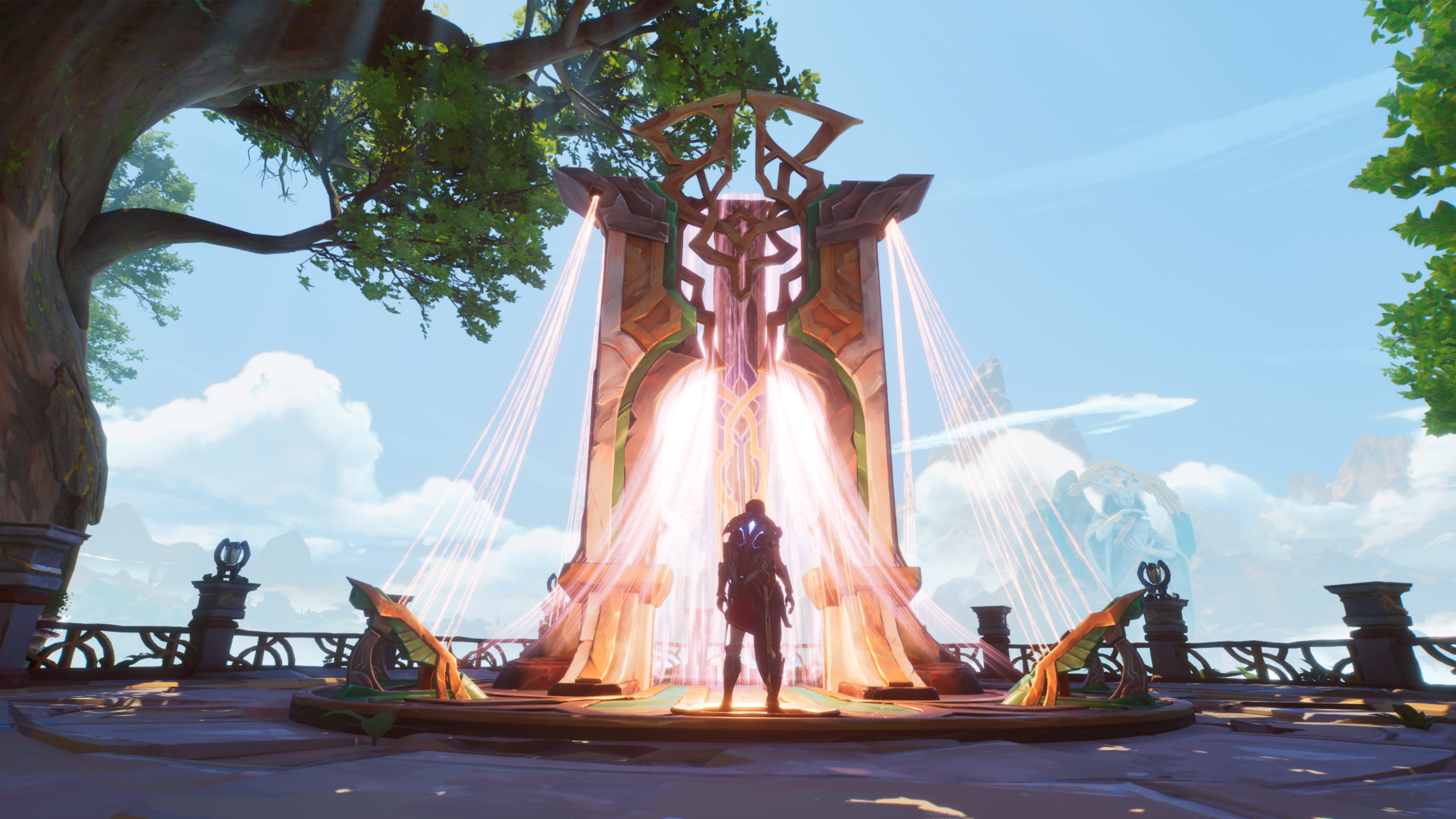
I have clocked 25 hours in Eternal Strands, and I’m still not entirely certain what to think. It plays like a concerted effort with good ideas that don’t feel entirely piecemeal but still never quite come together in the end.
On paper, there is so much to love and so many beautifully executed components.
Let’s see:
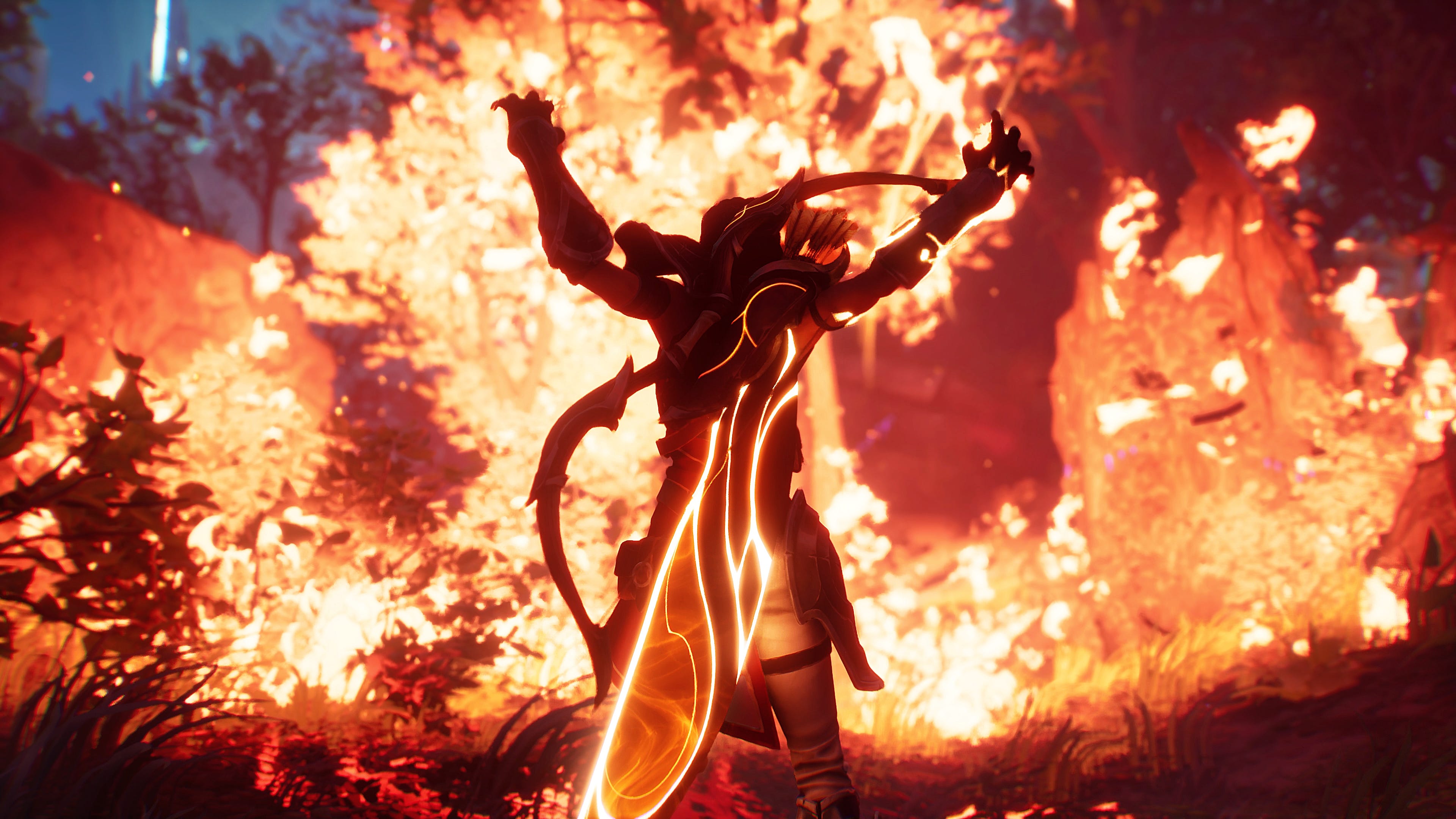
There is combat, both your run-of-the-mill enemies and epic bosses. Melee weapons; bow and arrow; fire, ice, and kinetic magic spells give a lot of variety to your arsenal and extensively interact with the environments you’re in, making combat potentially very spicy.
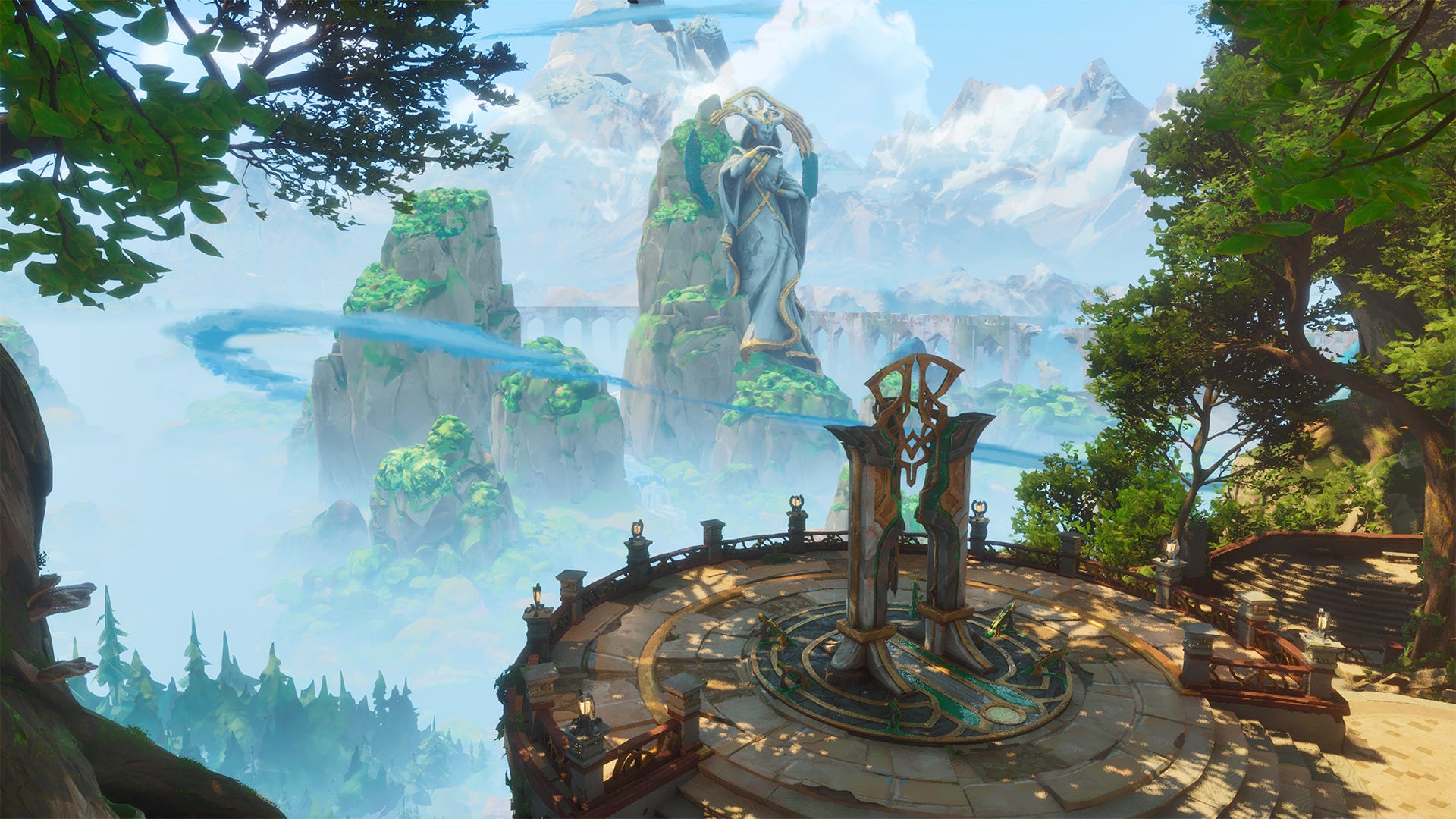
There is exploration, with multiple areas you visit from your camp base. A night and day cycle advanced by sleeping in a tent or embarking on an expedition (two per day, one per night) adds visual flavour. Areas have changeable weather, which affects the environment and the effectiveness of your magic, and a rotating epic enemy you can fight. Each area has bits of lore scattered around as shiny objects you can compile into codex entries.
There’s crafting from materials that enemies and the environments drop, with some interesting ideas on how each material’s origin and rarity affect the end product, be it a weapon or a piece of armour.
Finally, there’s interaction with your companions, both for practical purposes of crafting, weaving magic strands into your mantle, or advancing quests, and for idle chit chat that doesn’t affect story progression but gives it more context and substance.
Throw in lushly animated, gorgeous cinematics ranging from story cutscenes to sweeping shots of new areas as you enter them, and you should have a winner on your hands. And yet… Some of the cutscenes are 3D animations that closely resemble gameplay, while others are inexplicably 2D anime-style, adding to the incohesiveness that reverberates throughout the game.


While the dialogue is fully voiced, mostly very well, it occurs as text-based exchanges between static avatars, which further adds to the confusion of styles, animations, and narrative approaches. (Some accents are also unexpectedly and very distractingly Scottish.)
In the beginning, I kept falling into the extremes of “I love this!” and “Ugh, I hate this” at what felt like five- to ten-minute intervals. I very quickly discovered that both combat and wielding environmental magic annoyed me due to the controls and hit-or-miss aiming, so I found myself sprinting away from foes instead of fighting them, after I dropped the difficulty of the game to its lowest to spend the least amount of time possible in combat.
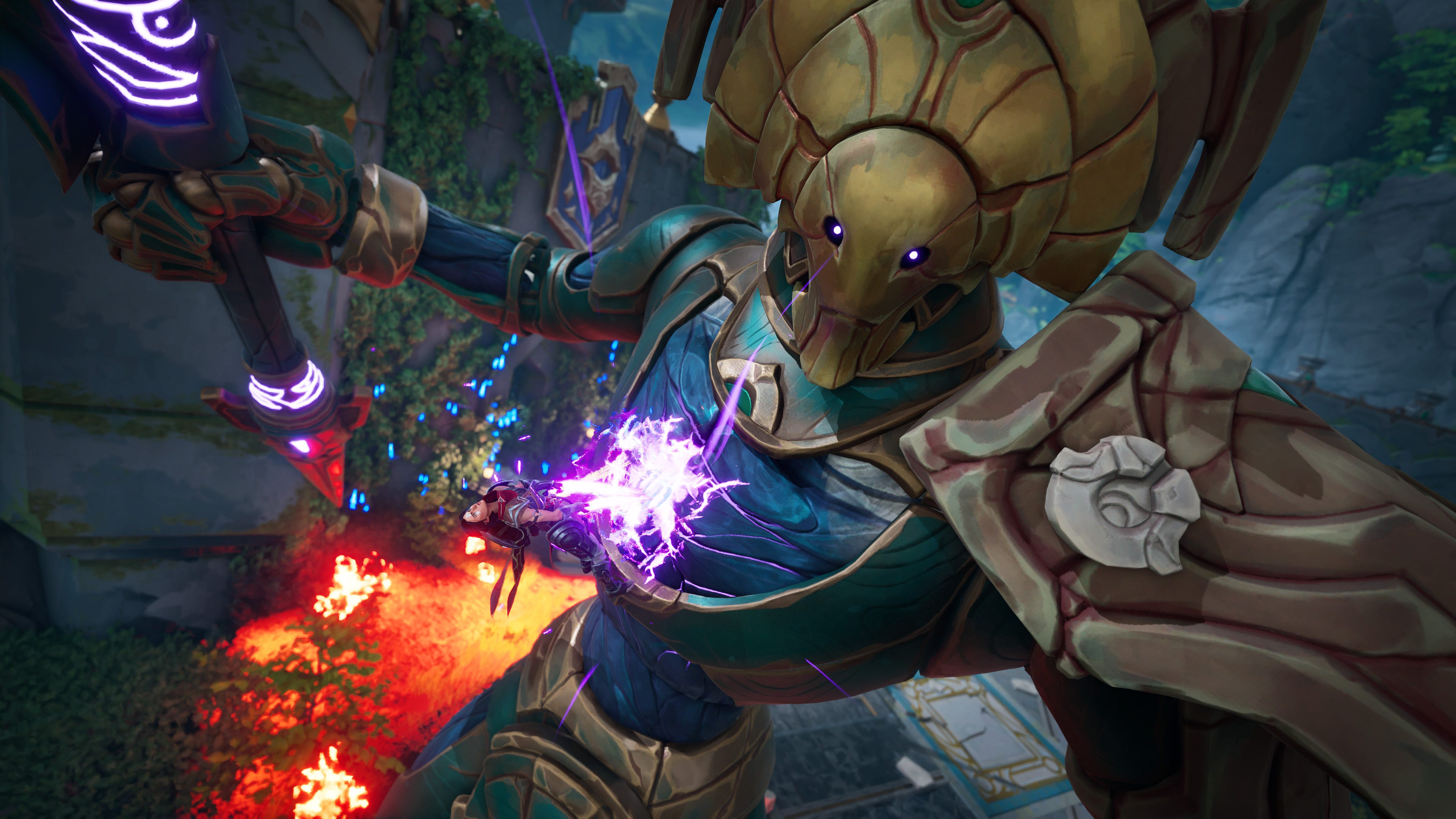
On the other hand, when battling the giant enemies known as “epic encounters”, which are central to the game, I was having the time of my life climbing them, riding them, clinging to them, and whacking them until they fell over. The first flying enemy that soared to the skies with me on their back made me squeal with glee.
I didn’t love this kind of emotional seesaw of enjoyment and annoyance, even if this feeling did diminish as I progressed.
At some point, I realized that I had seen all the game mechanics for combat, crafting, and magic, and all that was left to do was to uncover all the maps and game areas, see what story the game had in store, and mark the game as done and dusted once the credits rolled. I found myself speedrunning through the main and companion quests, steamrolling through areas toward quest markers to grab quest items, as many in a given area as I could, and running back to camp to dump them progress the story.
Focusing on quests in this way made it very clear that they’re all structured the same way, sending the protagonist from area to area on a relay of locate-and-fetch tasks culminating with dialogue in the camp and the long-awaited “Quest complete” animation. Very pretty and shimmery, if I may add, but underscoring the tediousness nonetheless.
At some point, I just wanted it to be over.
A lot of people refer to Eternal Strands as a sandbox, but I can see none of it in how the game is currently organized. There isn’t much to build on in camp, besides the station upgrades, most of which would be done by late game anyway, and endless variations of armour and weapons. You can tinker with their stats ad infinitum by using different materials, but how interesting is it, and for how long?
Once you venture on an expedition, it’s true that you can explore to your heart’s content and kill enemies and battle epic foes—they all respawn, after all. But the maps are static, the layouts do not change—why would they? It’s a story-driven game. You can experiment with different ways to use the environment and types of magic abilities to fight, and I concede that could be a fun challenge for a player who’s not me, but that still isn’t enough for a sandbox experience, not the way I understand it. There might be potential for it, given the game’s setup and mechanics, but I don’t see a clear path to making it happen.
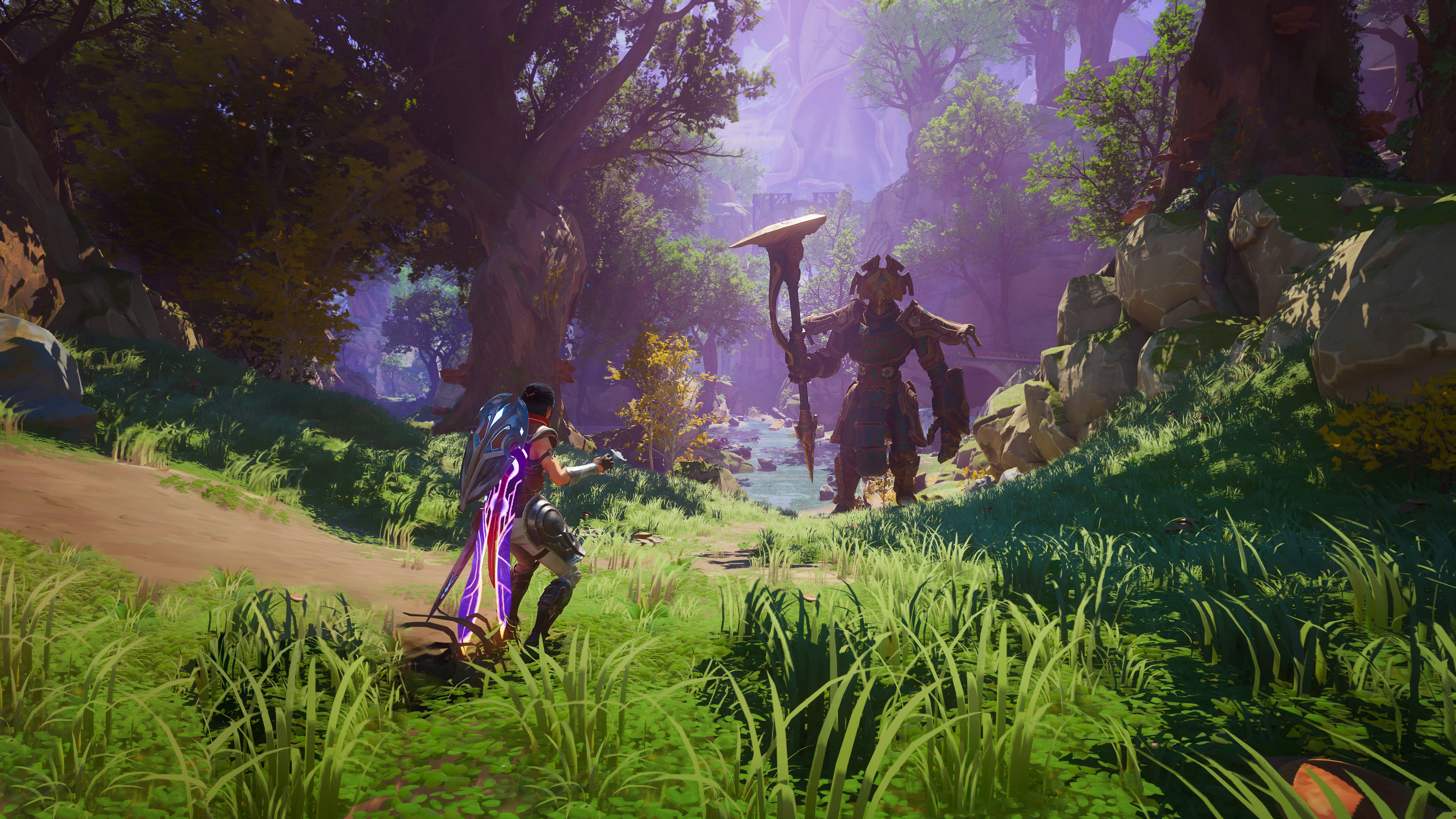
Very little is actually wrong with Eternal Strands. The Quebéc City-based Yellow Brick Games’ debut is clearly made with love. The game runs well, looks absolutely gorgeous, has some moments of good writing and gameplay thrill. There is a lot to enjoy in Eternal Strands, but the end result is more tedious than enjoyable, albeit dressed up pretty. It propels itself in many different directions, combining genres, mechanics, and art styles.
Broken apart and taken as a standalone, each piece could make a neat little game or even an animated movie. All together, they make a jumbo game experience that’s neither here nor there, pleasant to the eye and fleetingly enjoyable, dragged down by endless dialogue and no less endless grind. For resources, for the story to advance, for enemies to spawn, and, ultimately, for patience.
The patience Eternal Strands is asking of me is eternal as well. I’m short on that these days.
The only thing about it that piqued my curiosity was the mention of elemental/environmental interaction, and put me in mind of the 2D stealth game Wildfire. I think the 'sandbox' framing is a red flag - games with those sorts of systems benefit from structure that you can experiment within, and a lack of structure isn't usually the bullet point feature people claim it is.
This is very helpful - I'll be digging into new games again soon and this certainly looked up my alley (especially the elemental/environmental aspects mentioned by other commenters). But maybe best to wait it out if that's the case. I agree that being a smaller studio means giving it some slack - I've been disappointed by much bigger studios lately dropping Big Concept, Repetitive Gameplay on my lap that are just interesting enough to peak my interest, but are ultimately unfulfilling.